
If you are typing "do I have ADHD" into a search bar, you are not alone. Many children, teens, and adults wonder whether their struggles with focus, restlessness, or follow-through might be Attention Deficit Hyperactivity Disorder, often shortened to ADHD.

Do I Have ADHD Signs Testing And Next Steps
ADHD is a real, brain-based condition that affects how a person pays attention, stays organized, manages impulses, and controls activity levels. According to the National Institute of Mental Health, it can show up at school, at work, at home, and in relationships.
This guide will walk you through common ADHD symptoms, what counts as normal distraction, what an ADHD evaluation looks like, and how Unique Minds Behavioral Health Services in Maryland and Washington, D.C. can help you move from worry to a clear plan.
Disclaimer: This article is for education only. It cannot diagnose ADHD. Only a qualified health professional can do that.
What ADHD Is (And What It Is Not)
ADHD is one of the most common neurodevelopmental conditions. It usually begins in childhood and often continues into adulthood, according to the Centers for Disease Control and Prevention (CDC).
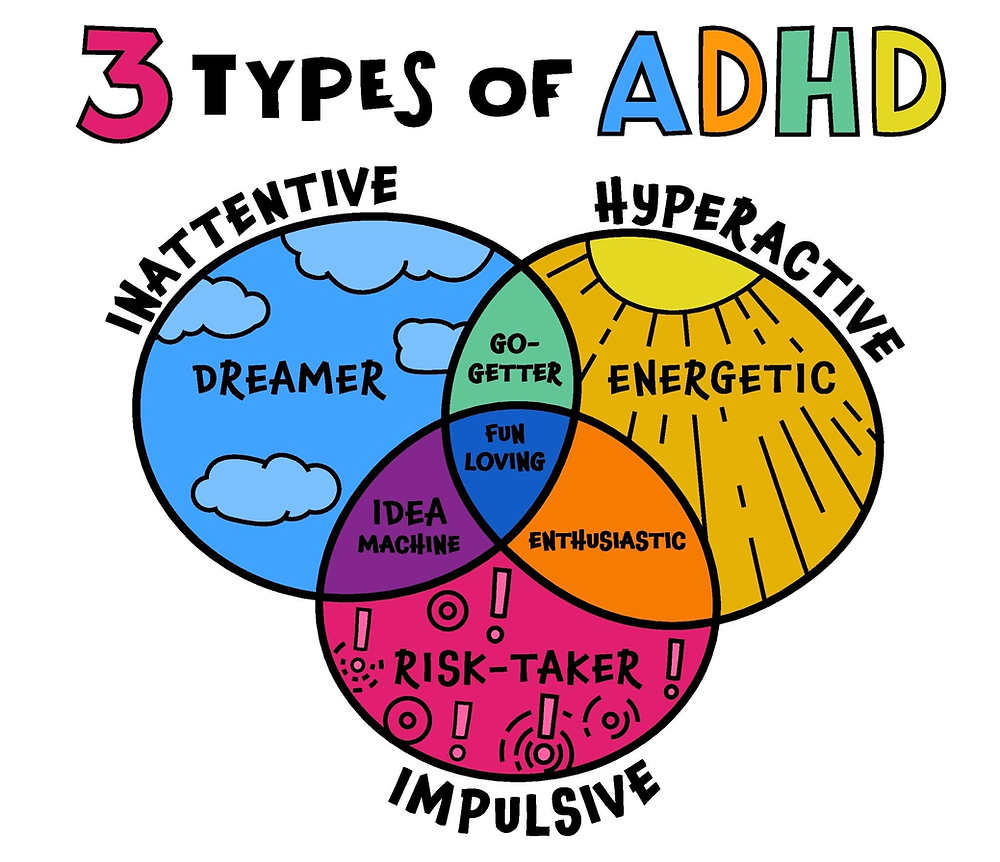
Experts describe three main groups of symptoms:
-
Inattention
-
Hyperactivity
-
Impulsivity
To be diagnosed with ADHD, these symptoms need to be strong, long-lasting, and present in more than one setting—such as home and school, or home and work. They also need to interfere with daily life rather than just being a small annoyance (National Institute of Mental Health).
ADHD is not:
-
Laziness or a character flaw
-
A parenting failure
-
Lack of intelligence
A person with ADHD can be bright, creative, and hardworking, yet still struggle because of how their brain handles attention and impulse control.
Common ADHD Symptoms In Daily Life
Inattention Symptoms
People with the inattentive pattern of ADHD often show signs such as:
-
Trouble staying focused during tasks or conversations.
-
Making simple mistakes because the mind drifts.
-
Starting tasks and not finishing them.
-
Avoiding tasks that need long mental effort, such as reports or homework.
-
Losing things like keys, phones, papers, or school supplies.
-
Feeling scattered and disorganized at work, school, or home.
In a child, this might look like daydreaming in class, missing instructions, and forgetting to turn in homework even when it is done. In an adult, it might look like missing deadlines, arriving late, or needing many reminders to complete everyday tasks.
Hyperactivity and Impulsivity Symptoms
The hyperactive and impulsive pattern often includes:
-
Feeling restless or "on the go" most of the time.
-
Talking a lot or blurting out answers.
-
Having trouble waiting in lines or for a turn.
-
Fidgeting, tapping, or shifting in a seat.
-
Getting up often during meetings or classes.
-
Acting quickly without thinking through the outcome.
Children may run, climb, or move at times when others expect quiet. Adults may not run around, yet they can still feel an inner sense of pressure and restlessness.
How Symptoms Can Differ in Adults and Children
ADHD is often first noticed in school-age children, yet many people are not diagnosed until adulthood.
In children, you might see:
-
Trouble sitting still in class.
-
Difficulty following multi-step directions.
-
Big swings in report card comments.
-
Behavior that disrupts other students.
In adults, you might see:
-
Chronic lateness or missed appointments.
-
Jobs started with excitement, then abandoned.
-
Unfinished projects at home.
-
Money problems from impulsive spending.
-
Relationship stress due to forgetfulness or emotional reactions.
If these patterns sound familiar across many years and settings, it is reasonable to ask whether ADHD could be part of the picture.
Do I Have ADHD, Or Am I Just Distracted?
Modern life pulls attention in many directions. Stress, poor sleep, chronic pain, anxiety, depression, and heavy screen use can all affect focus and energy (NCBI).
A few key questions can help you think about ADHD versus everyday distraction:
-
Have you noticed these problems since childhood, even if they were not labeled as ADHD?
-
Do teachers, employers, or family members often comment on your forgetfulness, restlessness, or difficulty staying on task?
-
Do the problems appear in more than one setting, such as home, school, work, or relationships?
-
Do these issues cause real harm, such as lost jobs, low grades, car accidents, or major conflict?
If your honest answer to many of these questions is "yes," ADHD might be worth evaluating. If the problems started only after a major life event—such as a loss, trauma, or medical illness—another condition may be more likely. Also, many people have both ADHD and another mental health condition, such as anxiety or depression.
How ADHD Is Diagnosed
There is no single blood test or brain scan that can answer "do I have ADHD." Diagnosis is based on a detailed picture of your history, symptoms, and current life.
A typical ADHD evaluation with a qualified mental health professional often includes:
-
A full medical and psychiatric history.
-
Questions about childhood behavior, school performance, and family history.
-
Symptom checklists or rating scales you (and sometimes a parent, partner, or teacher) fill out.
-
Review of report cards, work reviews, or other records.
-
Screening for other conditions such as anxiety, mood disorders, learning problems, or substance use.
For children, clinicians also look for symptoms in more than one setting and compare the child with others of the same age. For adults, the provider will often ask about how symptoms affected school years and early jobs, since ADHD usually begins in childhood even if it was not recognized then.
Self-Tests For ADHD: What They Can And Cannot Tell You
Online ADHD quizzes can be a helpful first step. They may:
-
Help you notice patterns in your behavior.
-
Give you language for what you experience.
-
Encourage you to seek professional care.
However, self-tests have limits:
-
They cannot rule ADHD in or out.
-
They cannot check for other conditions that look similar.
-
They may be based on outdated or non-scientific information.
If a quiz says you might have ADHD, take that as a sign to talk with a licensed professional, not as a final answer.
When To Talk With A Professional
Consider booking an evaluation if:
-
You have struggled with attention or impulsivity for many years.
-
School or work performance has suffered despite effort.
-
You feel overwhelmed by disorganization or unfinished tasks.
-
Family members or teachers frequently mention these concerns.
-
You tried self-help strategies and still feel stuck.
Note: If you are ever in immediate danger or thinking about harming yourself or someone else, call emergency services or a crisis line right away. Do not wait for a routine appointment.
ADHD Treatment And Support Options
The good news is that ADHD is treatable. Many children, teens, and adults do very well with the right mix of strategies.
Evidence-based options include:
-
Behavior therapy and parent training to build skills and structure for children.
-
School supports such as written instructions, extra time, and quiet testing areas.
-
Medication, such as stimulants and non-stimulant options, which can improve focus and reduce hyperactivity for many people.
-
Cognitive Behavioral Therapy (CBT) and skills training for adults to support organization, emotional regulation, and planning.
-
Coaching or occupational therapy to build routines that fit real life.
Treatment plans are personalized. What works for a seven-year-old in second grade will look different from what works for a forty-year-old parent with a demanding job.
How Unique Minds Behavioral Health Services Can Help
Unique Minds Behavioral Health Services provides comprehensive psychiatric and therapy care for people in Maryland and Washington, D.C. through both in-person and virtual telehealth visits.
The team offers:
-
Psychiatric evaluations that can help clarify whether ADHD or another condition is present.
-
Medication management when appropriate.
-
Therapy services, including cognitive behavioral and mindfulness-based approaches.
-
Online therapy options that can fit a busy schedule.
Care is delivered by experienced psychiatric professionals who focus on compassionate listening and personalized plans rather than one-size-fits-all solutions.
If an evaluation shows that you do have ADHD, your clinician can work with you to build a treatment plan that fits your age, culture, family life, and goals. If the evaluation points to another diagnosis, you still leave with clarity and next steps rather than continued guessing.
First Steps You Can Take Today
If you are still asking yourself, "Do I have ADHD?" try these simple steps:
-
Write down your main concerns. Include when they started and how they affect school, work, relationships, and daily tasks.
-
Ask a trusted person who knows you well what they notice about your focus and follow-through.
-
Gather records. Find any school records or old report cards if you have them, especially if you are an adult seeking an ADHD evaluation.
-
Schedule an appointment with a qualified mental health professional, such as the team at Unique Minds Behavioral Health Services.
You deserve clear answers and a plan that brings relief. ADHD is manageable, and with the right support, many people discover strengths they never knew how to use.