

Skip to content
Unique Minds Behavioral Health Services logo

What we treat

Substance use treatment for adults and children in MD and D.C.

Substance use looks different at fifteen and at forty-five, and so should treatment. This page is about catching it at every age (especially early, when patterns are habits rather than architecture) with families in the room.

A family plays frisbee on a wide sunny lawn on a summer afternoon

The short answer

Unique Minds treats substance use in adults, teens and children across Maryland, Washington, D.C. and Ohio, with psychiatric evaluation, individual and group therapy, and family involvement. Because substance use and mental health conditions so often arrive together, both are treated by the same team, and earlier intervention, at any age, reliably makes treatment shorter and life-cost smaller.

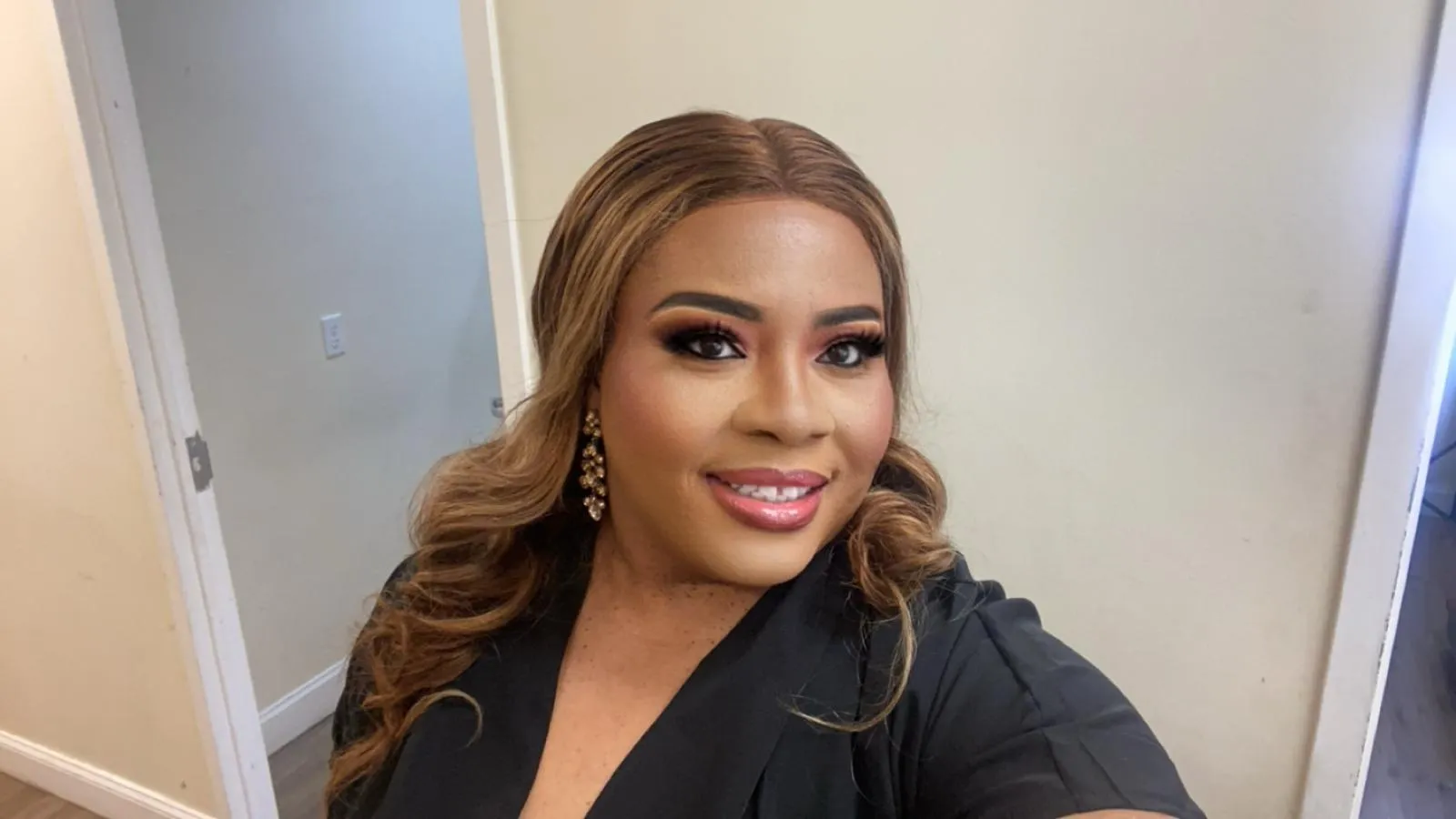
Dr. Barbara Clement Njoku, psychiatric mental health nurse practitioner at Unique Minds

Clinical content reviewed by Dr. Barbara Clement Njoku, DNP, MSN, APRN, PMHNP-BC · Updated

Different ages, different doors in

In adults, problem use tends to announce itself through consequences: work, relationships, health, mornings. In teens and children it arrives sideways: grades sliding, new secrecy, old friends gone, a parent’s instinct that something changed. Both doors lead to the same building, and neither requires certainty to walk through, “I’m not sure this is a problem yet” is a perfectly good opening sentence at an evaluation.

According to the National Institute of Mental Health, substance use disorders and mental health conditions frequently occur together, and each worsens the other’s course when only one is treated. That is doubly true in young people, where anxiety, ADHD and depression are common engines under the using.

What to look for in a teenager

Adolescence is legitimately turbulent, which is what makes this hard: almost every warning sign has an innocent explanation on its own. What matters is the cluster, and the change.

  • School and activities: grades sliding, attendance slipping, a sport or an instrument abandoned, ambitions quietly dropped.
  • The social picture: an entirely new friendship group, old friends dropped without explanation, new secrecy about where they are and who they are with.
  • At home: money or alcohol going missing, locked phones, hostility to ordinary questions, long unexplained absences, a changed smell on clothes or in a room.
  • Physically: changed sleep and appetite, weight change, red eyes, tremor, poor coordination, frequent unexplained illness, or unfamiliar items and containers.
  • Mood: irritability and defensiveness beyond the ordinary, low mood, anxiety, or a flattening of interest in everything.

None of these is proof, and treating them as proof usually costs you the conversation. What they justify is a direct, calm question and, if the answer worries you, an assessment.

How it is assessed, and what an evaluation actually looks at

A psychiatric evaluation here covers the same ground at every age, weighted differently:

  • What is used, how much, how often, and since when, asked without alarm. With adolescents there is usually part of this conversation held privately, because an honest answer is worth more than a supervised one, and the limits of that confidentiality, including where safety overrides it, are explained to everyone at the start.
  • What the substance is doing for them. Sleeping, quieting anxiety, managing attention, numbing something, or belonging somewhere. This answer usually names the real target of treatment.
  • What is underneath. ADHD, anxiety, depression, trauma and learning difficulties are common engines, and untreated ADHD in particular raises risk at every age.
  • How far it has gone: whether this is risky use, or has crossed into a substance use disorder with loss of control, consequences and physical adaptation. That distinction sets the level of care, and the deeper end is described on the dependence page.
  • Safety: overdose risk, driving, and which withdrawals are medically dangerous.

Why earlier genuinely matters more here

Adolescence is a period of substantial brain development, and the systems that govern reward seeking mature ahead of those that govern impulse control and long-range judgement. That gap is a normal part of growing up, and it is also why the same quantity of a substance can establish a pattern faster in a fifteen-year-old than in a forty-five-year-old, and why earlier first use is associated with higher risk of problems later.

The practical consequence is the one worth acting on: intervening while use is still a habit rather than an architecture is shorter, gentler and far more likely to work, and it is the reason “I’m not sure this is a problem yet” is a good reason to book, not a reason to wait.

How treatment works here, by age

For adults, care starts with a psychiatric evaluation covering the use, the mental health picture and the physical realities, then builds a plan from individual therapy, medication management where appropriate, and group therapy when the week needs more structure than individual appointments provide.

For children and teens, everything above plus the household: family sessions that turn worried parents into an effective part of the plan: boundaries that hold without war, communication that survives eye-rolling, and relapse responses agreed in advance. School stays in the picture where that helps.

If the picture is actually dependence: physical withdrawal, failed stops, use that owns the schedule. The dependence page describes that deeper end of care, including how we handle co-occurring diagnosis.

When to reach out

The best time is precisely when you are still asking whether it is bad enough. Treatment begun at “maybe” is shorter, gentler and cheaper in every currency than treatment begun at “definitely.” Bring the maybe. We will help you sort it.

Sources

  1. National Institute of Mental Health: Substance Use and Co-Occurring Mental Disorders (opens in a new tab)

What it can look like(section 1)

Some of the ways it shows up

No two people experience it the same way, and none of this is a diagnosis. If several of these feel familiar, it is worth a conversation.

  • Use that has moved from weekends to weekdays to mornings.
  • Promises to cut down that keep being renegotiated.
  • Grades, work or friendships quietly re-prioritised below using.
  • In teens - new secrecy, new friends, money or items going missing, a changed smell.
  • Using to sleep, to socialise, to feel normal: a job, not a pleasure.
  • Irritability or physical discomfort when going without.
  • A family history making you watch your own habits with unease.
  • In teens - sleep, appetite and energy changing with no other explanation.

In crisis right now? Call or text 988. The 988 Suicide & Crisis Lifeline is free, confidential and open 24/7. If you or someone with you is in immediate danger, call 911.

Call or text 988

Good to know

Substance Use. Adults & Children, answered plainly

Read the full patient FAQ
How young do you treat substance use?

We see children and adolescents as well as adults, and with young people the family is part of the treatment, not an audience to it. Early patterns (vaping, alcohol, cannabis, misused prescriptions) respond far better before they harden, and an evaluation also checks what is underneath, since teen substance use often rides on anxiety, ADHD or depression.

Does my child's other mental health care continue alongside?

Yes. Ideally with us treating both together. Substance use and mental health conditions feed each other in both directions, and splitting them across unconnected providers is how each one hides from the other's treatment. One team, one plan is the point of coming here.

What if weekly appointments aren't enough?

Then the plan changes rather than waiting for the next appointment. Sessions can go more than weekly, group work adds structure around school or work, and the medication review comes forward. If a higher level of care is genuinely what is needed, we say so early and help arrange it. Decided with you, based on how things are actually going, not on a fixed schedule.

What are the warning signs of substance use in a teenager?

Rarely a single dramatic sign, and usually a cluster: grades slipping, a changed friendship group, new secrecy about phones and whereabouts, money or alcohol going missing, changed sleep and appetite, mood swings beyond ordinary adolescence, loss of interest in things they cared about, and physical clues such as smell, red eyes or unexplained items. Any one of these has innocent explanations. Several together are worth a conversation, and then an assessment.

How do we raise it with our child without the conversation exploding?

Pick a calm moment rather than the aftermath of a discovery, lead with what you have noticed rather than what you have concluded, and say plainly that you are worried rather than angry. Ask what the substance is doing for them (sleep, anxiety, fitting in) because the answer usually names the real problem. Expect denial at first; it is not the end of the conversation. Family sessions exist partly to coach exactly this.

Getting help should not be the hard part.

Request an appointment online at any time, or speak to somebody during office hours.

Prefer to write? Send a secure message

On Google

Five-star reviews, as written

Patients' own words from our Google profile, unedited. Every review we have received, including the critical ones, is there too.

Names are shortened to an initial. Reviews are published by their authors on Google, not collected by us.

Request a callback

Leave your number and a real person will call you back. No pressure, no obligation.

By requesting a callback, you agree to ourTerms andPrivacy Policy, and consent to us contacting you. See ourNotice of Privacy Practicesfor how we protect your health information. If you're in crisis, call or text988 now.

Check your insurance

Tell us who you're insured by and we'll verify your benefits, then call you back, usually within one business day.

Your plan
Policyholder
Your insurance card (optional)

A photo or a PDF of each side saves time when we verify your plan. Sent encrypted and never stored on this website.

Submitting sends your details to our team over an encrypted, HIPAA-compliant connection. See our Notice of Privacy Practicesand Privacy Policy. If you're in crisis, call or text988 now.

Request an appointment

A few quick details, and we'll call to confirm, usually within one business day.

Rather talk it through on the phone? and we'll take the details from you.

Add your home address (optional, saves time at your first visit)
Home address
When would suit you?

These are typical openings in our published hours. We'll confirm the exact time with you.

Protected under HIPAA. Everything you type and attach travels over an encrypted connection to our HIPAA-compliant secure mailbox. Nothing is stored on this website.

Submitting sends your request to our team over an encrypted, HIPAA-compliant connection.This is a request, not a confirmed appointment. We'll call to confirm. See ourNotice of Privacy Practices. If you're in crisis, call or text988 now.