
The world today feels heavy for many people. Between constant news updates and social media feeds, it is hard to escape the reality of global conflict. If you find yourself feeling overwhelmed or scared, you are not alone. Many people in Baltimore and Washington DC are experiencing a specific kind of stress called war related anxiety. This feeling comes from a sense of uncertainty and a lack of control over events happening far away. It is a natural response to seeing suffering and feeling like the world is no longer a safe place.
At Unique Minds Behavioral Health Services, we understand how these global events impact your daily life. Whether you are at home in Maryland or working in the heart of DC, the weight of the world can follow you everywhere. Understanding how to manage these feelings is the first step toward finding peace again. This guide will help you recognize the signs of distress and provide practical tools to help you feel more grounded.

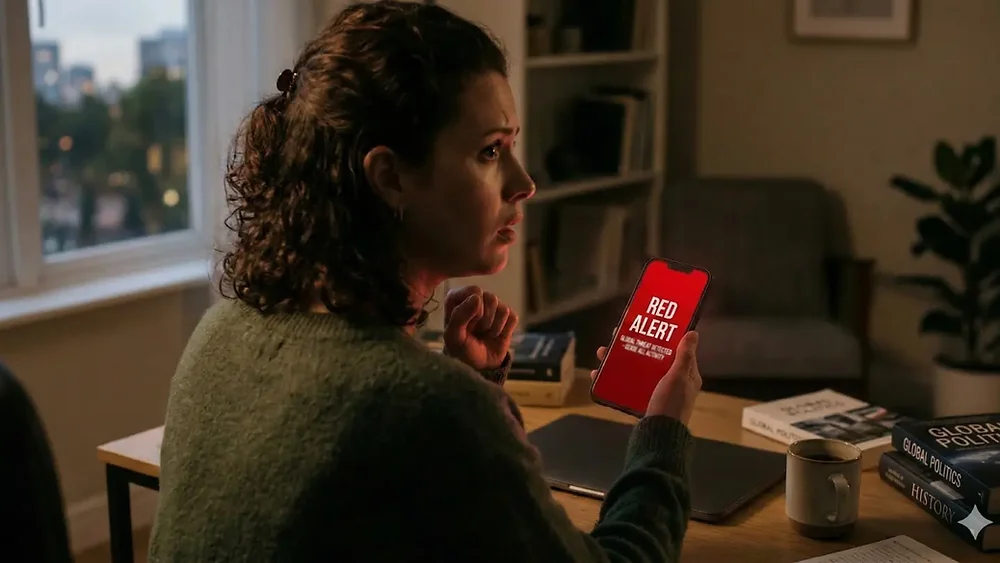
A person anxiously checks their smartphone as urgent war-related news notifications contribute to their stress and concern.
Understanding War Related Anxiety and Its Impact
Anxiety is the way your body and mind react to a perceived threat. When you hear about war or conflict, your brain may go into a state of high alert. This is often called the fight or flight response. According to information from the CDC regarding mental health, prolonged stress can lead to physical and emotional exhaustion. You might notice that your heart beats faster when you see a news notification. You might also find it hard to concentrate on your work or enjoy time with your family.
The National Institute of Mental Health notes that anxiety disorders are among the most common mental health concerns in the United States. While war related anxiety is often tied to external events, it can trigger deeper fears about your own safety and the safety of your loved ones. It is important to remember that your feelings are valid. You do not have to be directly involved in a conflict to feel the secondary trauma that comes from witnessing it through a screen.
How Global News Stress Affects Your Health
Constant exposure to graphic images and breaking news can take a toll on your nervous system. Research published in the National Library of Medicine suggests that frequent consumption of disaster news is linked to increased symptoms of post traumatic stress and general anxiety. When you constantly check for updates, your brain stays in a cycle of worry. This can lead to sleep problems, irritability, and a feeling of being constantly on edge.
Many people feel a sense of guilt for being safe while others are in danger. This is sometimes called survivor guilt or collective grief. It is helpful to look at resources from the Substance Abuse and Mental Health Services Administration to understand how community trauma affects individuals. Recognizing that your distress is a sign of empathy can help you be kinder to yourself as you navigate these difficult times.
Practical Steps to Manage Your Anxiety
Managing war related anxiety does not mean you have to ignore what is happening in the world. It means finding a balance that allows you to stay informed without losing your sense of peace.
One effective strategy is to set strict boundaries with the news. You might decide to check the news only once or twice a day for a limited time. Avoid looking at your phone right before bed or immediately after you wake up. This gives your mind a chance to rest and focus on your immediate surroundings.
Another helpful tool is to engage in grounding exercises. When you feel a wave of panic, try to focus on what you can see, hear, and touch right now. This pulls your mind out of the future or the distant past and back into the present moment. Simple activities like walking through a park in Baltimore or sitting quietly by the water can help lower your stress levels.
Focusing on What You Can Control
Much of the fear surrounding global conflict comes from a lack of control. To combat this, focus on the things you can influence in your own life. This might include taking care of your physical health by eating well and getting enough sleep. According to the Mayo Clinic, regular physical activity is a powerful way to reduce anxiety symptoms.
You can also find ways to help that feel meaningful to you. This might involve donating to a reputable charity or volunteering in your local community. Taking action can shift your mindset from feeling helpless to feeling helpful. However, it is important to check with official sources like the FDA or other government agencies when looking for ways to provide medical or food aid to ensure your contributions are effective.
When to Seek Professional Support
Sometimes, self help strategies are not enough. If your war related anxiety is making it hard to get through the day, it may be time to speak with a professional. You might find that you are withdrawing from friends or that your performance at work is suffering. These are signs that your mind needs extra support to process the stress.
Unique Minds Behavioral Health Services offers specialized care for those struggling with these feelings. We provide evidence based anxiety disorders treatments that are tailored to your specific needs. Our team is here to help you develop coping mechanisms that work for your lifestyle.
For residents in Maryland and Washington DC, we offer flexible options for care. We provide telehealth services for evaluations, which means you can speak with a professional from the comfort of your own home. This telehealth coverage extends across Maryland and Washington DC for all initial evaluations. If you prefer in person sessions, we offer treatments at our locations in Baltimore and Washington DC. Having local support means you have a partner in your mental health journey who understands the unique environment of the DMV area.
Building Resilience for the Future
The world may continue to feel uncertain for a while, but you can build the resilience needed to handle it. Resilience is not about never feeling stressed. It is about having the tools to bounce back when things get hard. Connecting with others is one of the best ways to build this strength. Talk to your friends and neighbors about how you are feeling. Chances are, they are feeling the same way.
Check out NIMH resources for more information on building mental health resilience. By taking small steps every day, you can protect your mental well being and find a sense of safety even when the news is difficult. Remember that seeking help is a sign of strength, not weakness.
Whether you are looking for an initial evaluation via telehealth or comprehensive in person treatment in Baltimore or DC, Unique Minds Behavioral Health Services is ready to support you. You do not have to carry the weight of the world alone.